
Choosing the Right Vinyl Wrap for South Africa's Climate
South African sun is harder on a vehicle wrap than most vinyl spec sheets let on. Here's what actually matters when you're choosing material for a fleet that lives outdoors.
Published 12 June 2026
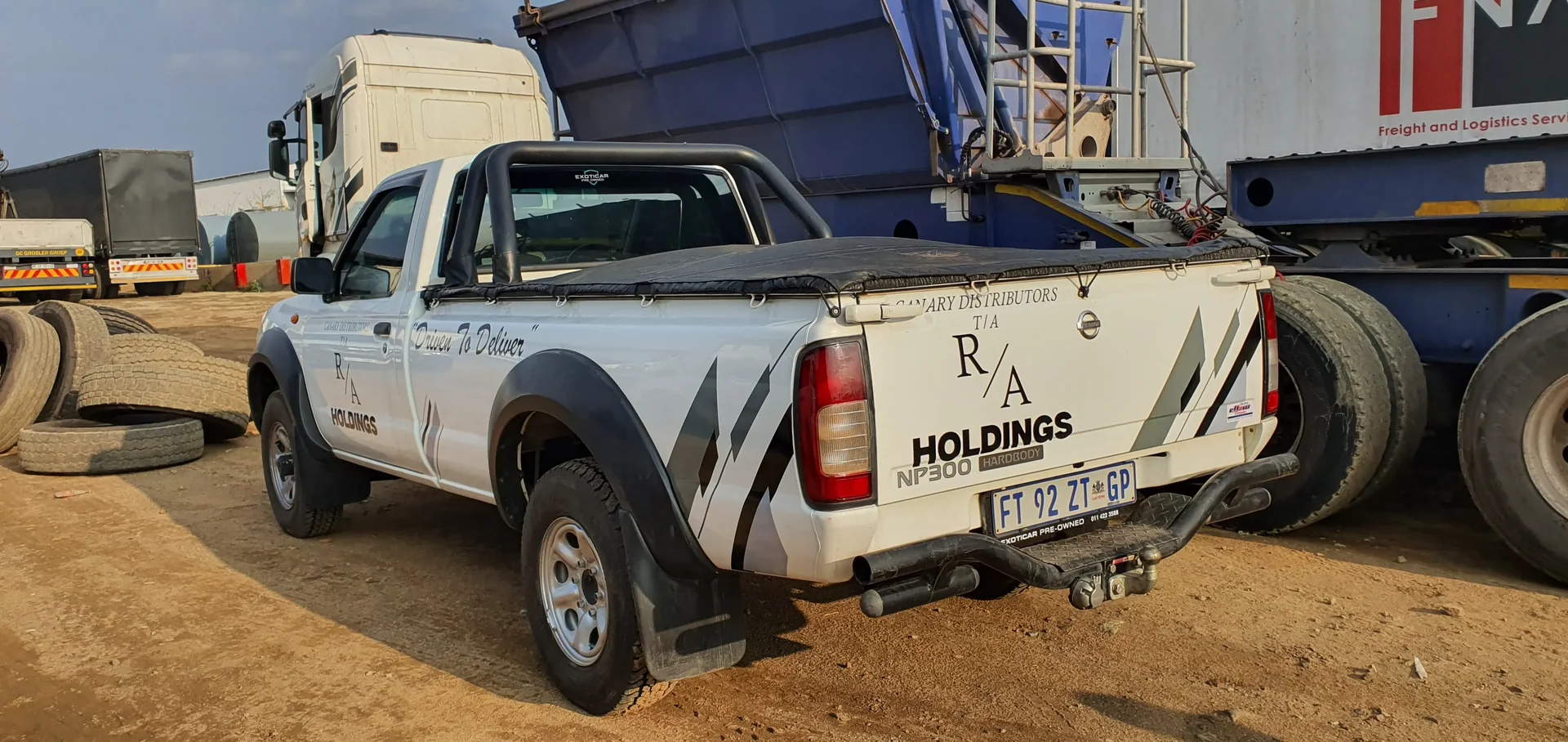
A vinyl wrap that looks identical to another on the roll can perform very differently after twelve months parked outside a Highveld depot. The two biggest factors are UV load and daily mileage, and both are higher for most South African fleets than the climate a lot of imported vinyl is originally tested for.
Cast vinyl, made by casting liquid PVC into a film rather than stretching it under heat, holds its colour and conforms to compound curves far better than cheaper calendered vinyl. For anything that will sit outdoors long-term, a delivery bakkie, a taxi, a piece of yard equipment, cast vinyl is worth the extra cost over the life of the wrap.
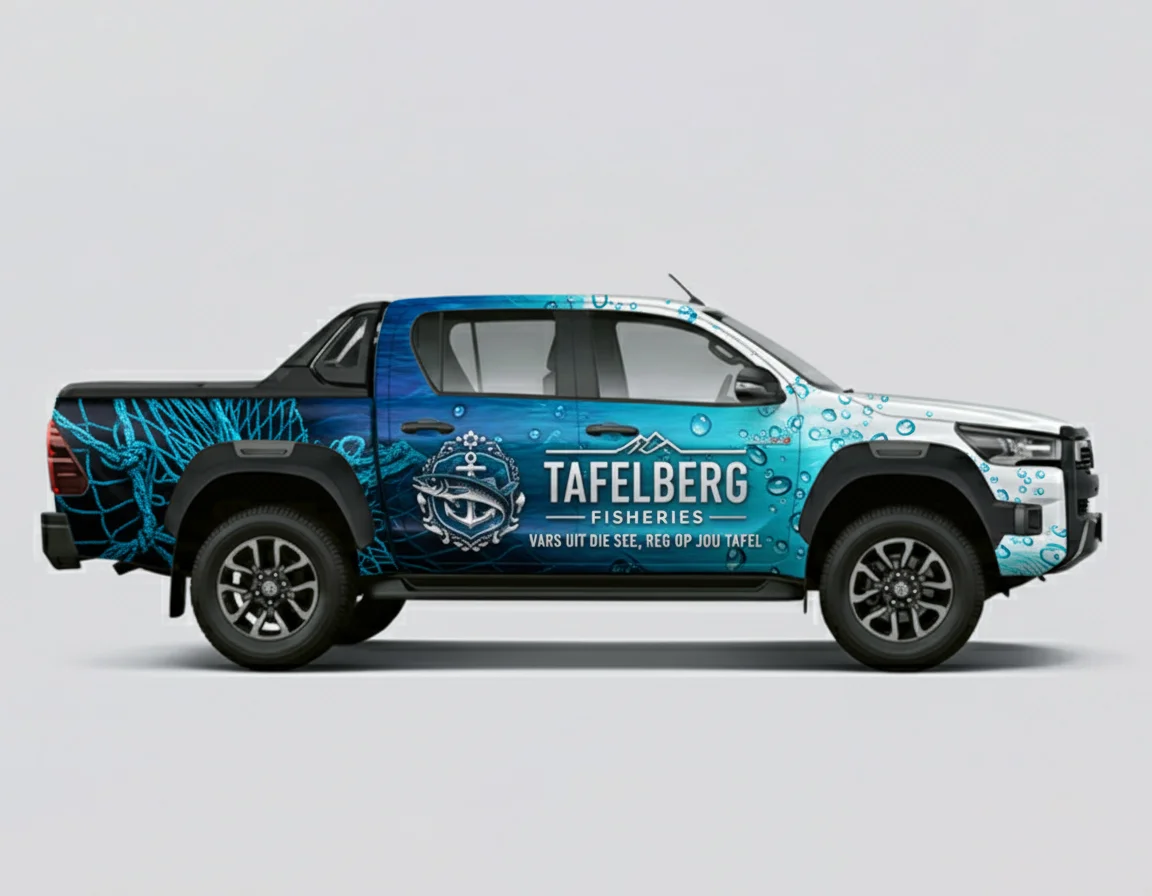
Dark colours absorb more heat, which speeds up the ageing of the adhesive layer underneath. That doesn't mean avoiding dark branding altogether, but it does mean specifying a laminate with strong UV inhibitors when a design calls for solid black or deep colour panels covering large areas of a vehicle.
Dust is the other factor that's easy to underestimate. Vehicles running gravel roads regularly, on farms, mine sites or rural delivery routes, benefit from a matte or textured laminate that hides fine scratching better than a high-gloss finish, which shows swirl marks after repeated washing.
Our rule of thumb: tell us where the vehicle actually operates, not just what industry it's in. A logistics truck running the N3 daily has different needs to one doing short urban drops, even though both might be branded for the same company.
Full Livery Wrap
Zero edge lifting or shrinkage when applied over deep panel recesses and rivets.

UV & Scratch Shield
Clear polymeric top-coat shielding corporate pantones from fading and high-pressure washers.
Ready to Make Your Brand Unmissable?
Free, no-obligation quotes, most replies within 24 hours.